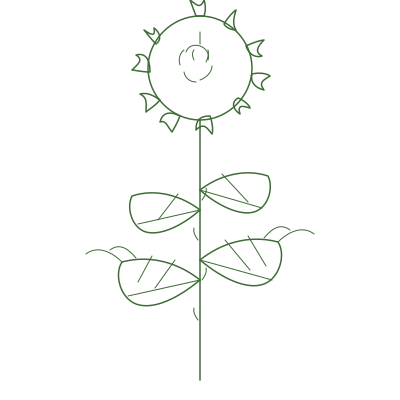
A sunflower is one of the few gs you can plant in a garden that a four-year-old will recognize in August. The tall stems, the dinner-plate flowers, the way the whole plant leans toward the sun in the morning — it is a plant that behaves the way children expect plants to behave. What most gardeners don't realize is that the heliotrism stops once the flower opens. The young plant tracks the sun across the sky, stem bending east to west, but once the bloom unfurls, it locks in place facing east and stays there for the rest of its life.
Sunflowers are best after the . They have long taproots that resent , and a seed pushed an inch into warm soil tends to outpace a transplant set out at the same time. Sow them about one week after your last frost date, once the soil has warmed to at least fifty degrees, and thin to eighteen inches apart once the seedlings are a few inches tall. They tolerate poor soil better than most , though they will grow taller and bloom larger in soil that has been worked with .
If you are growing sunflowers for seed — to harvest for yourself or to leave for the birds — you need to understand that squirrels and birds will destroy a single seed head in a morning. They know when the seeds are ripe better than you do. The back of the flower head turns from green to yellow-brown, the petals fall, and within a day or two the wildlife moves in. Covering the head with a mesh bag or a piece of cheesecloth once the petals drop is the only reliable way to save any seed for yourself.
Tall varieties can provide useful late-season shade for crops that need it. A row of sunflowers planted on the south side of a lettuce bed can keep the greens from in July, and the flowers attract enough pollinators that nearby squash and cucumber plants tend to set more fruit. The plants themselves are sturdy enough that they rarely need staking, though a strong wind during a summer storm can snap a stem if the ground is soft from rain.
At the end of the season, leave the spent flower heads standing if you can. Goldfinches and chickadees will work them over through fall and into winter, pulling out seeds you didn't know were left. A garden with a few dried sunflower stalks in it is a livelier place in November than one that has been cut down and cleaned up in September.
Varieties worth knowing
What can go wrong
Companions
How to propagate
Sunflowers are among the easiest and most rewarding flowers to grow from seed. They should be direct sown, as they grow rapidly and dislike transplanting.
Harvest & keep
Cut flower types branch for multiple stems; classic sunflower types make one big head for seeds.
- Refrigerator
- 5–7 days cut (remove bottom leaves)
- Freeze
- not applicable
- Can
- not applicable
- Dry
- dry seed heads upside down to collect seeds; petals press well
Harvest seeds when the back of the head is brown and yellow — net against birds until then.
How it grows where you live
Sources
- Sunflowers— University of Minnesota Extension
- Growing sunflowers— Clemson Cooperative Extension HGIC
- Sunflower production— Colorado State University Extension