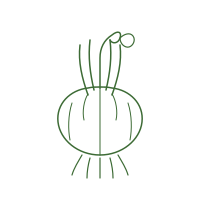
Chives are one of the easiest herbs to grow, and one of the most rewarding in spring when the rest of the garden is still waking up. The hollow, grass-like stems emerge early — often while snow is still possible — and the round purple flower heads appear in late spring and attract bees that have few other sources of that size yet. The flowers are edible, with a milder onion flavor than the leaves, and they last for weeks before going to seed.
Chives can be started from seed in the garden 4 weeks before your , or purchased as . Starting from seed is slower — expect to wait until the second for a full, harvestable clump — but chive plants are inexpensive and direct sowing is low effort. Space plants 8 inches apart. A single clump can persist for many years and will expand slowly by producing more offsets from the bulb base.
Harvest by cutting leaves to wi 2 inches of the soil level. The plant will regrow from the base. If you harvest consistently through the season, the plant stays in leaf production and the flavor remains sharp. If you let it flower without harvesting, the leaves get slightly tougher and the flavor coarsens a bit — still edible, but different. The flowers can be used in salads and compound butters. Once seed heads form, cut them off to prevent self-seeding, which chives will do prolifically if left alone.
Every three to four years, the clump tends to get crowded and the inner sections st producing well. Divide in early spring, just as new growth emerges, or in fall. Dig up the whole clump, separate it into smaller sections of six to ten bulbs each, and replant. Division reinvigorates the plant and produces new starts to share or expand elsewhere in the garden. Chives divided this way tend to harvest better than old, un-divided clumps.
Garlic chives (Allium tuberosum) deserve a separate mention. They look similar but have flat, broader leaves, white flowers in late summer, and a garlic-forward flavor that is distinct from common chives. They are also vigorous self-seeders — more so than common chives. If you grow garlic chives, deadhead the flowers before seed sets unless you want them everywhere. Both types are useful in the kitchen; they're just different tools.
Varieties worth knowing
What can go wrong
Companions
How to propagate
Chives are extremely easy to propagate by division and also grow readily from seed. Division is the faster method and works well for mature clumps, which benefit from being split every 2-3 years.
Harvest & keep
Perennial — divide clumps every 3–4 years to keep them vigorous.
- Refrigerator
- 7–10 days (loosely wrapped)
- Freeze
- chop and freeze — best herb preservation method for chives
- Can
- not applicable
- Dry
- air-dry or dehydrate at 95°F — lose most of their flavor
Purple blossoms are edible — use them in vinegar or scatter on salads.
How it grows where you live
Sources
- Growing Alliums in the Home Garden— University of Maryland Extension
- Chives and Garlic Chives for the Home Garden— University of Georgia Extension
- Growing Culinary Herbs in Colorado— Colorado State University Extension