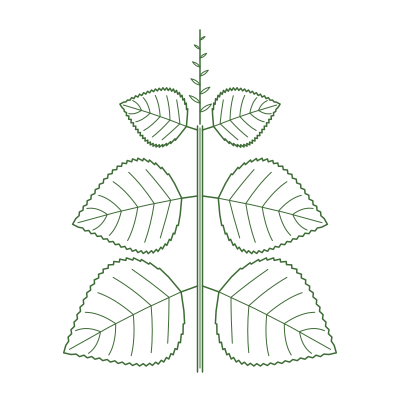
Korean Perilla (Kkaennip)
Perilla frutescens var. frutescens
Big, flat, earthy-scented leaves for ssam and kimchi — from a plant that needs its flower spikes cut before seed sets.
When to plant: start seeds indoors about 5 weeks before your last frost.
Updated Oct 2026
At a glance
| Sun | Full sun |
|---|---|
| Water | Moderate |
| Spacing | 12 inches |
| Days to maturity | 60–75 days |
| Soil pH | 5.5–7.0 |
| Soil | Fertile, evenly moist, well-drained soil with compost worked in. Tolerates average soil, but leaves stay larger and more tender with steady water and fertility. |
| Hardiness zones (USDA) | 3–11 |
| Difficulty | Beginner |
| Family | Lamiaceae |
| Native range | East Asia (China, Korea, and neighboring regions) |
Tip for beginners: Grow two or three plants, not a row — that is plenty for a household — and mark on your calendar to check for flower spikes as nights lengthen, so you can cut them before any seed ripens
Main challenge: Keeping it from going to seed: plants flower as nights lengthen in late summer, and unchecked seed heads can produce hundreds of volunteers and spread into nearby natural areas or pasture
When to plant
- Start seeds indoors 5 weeks before your last frost.
- Direct sow outdoors 1 week after your last frost.
- Transplant outdoors 1 week after your last frost.
- First harvest about 5 weeks after transplanting.
What can go wrong
- Self-sown seedlings everywhere. Flower spikes that ripen in late summer and fall dr seed that comes up thickly the next spring. Cut spikes before seed sets and bag them rather than . Pull volunteers while they are small.
- Escape into natural areas and pasture. Perilla is listed as invasive in several eastern states and spreads into woodland edges, creek banks and pastures. All parts are toxic to cattle and other grazing livestock, most of all while flowering and setting seed. Do not let it go to seed near pasture or hay ground.
- Leaf production stops in late summer. Perilla flowers as nights lengthen. New leaves stop, and the remaining leaves get small and coarse. This is day length, not a problem with your care. Pick heavily through midsummer.
- Poor or no germination. Seed buried too deep, old seed, or seed roasted for cooking. Sow on the surface and cover very lightly, use fresh seed labeled for planting, and try a week or two of cold, moist storage in the fridge if stays poor.
- Japanese beetles and spider mites. Beetles chew ragged holes in leaves; hand-pick them early in the morning. Spider mites leave fine pale stippling and webbing in hot, dry weather; rinse leaf undersides with water and keep plants watered.
- Small, tough leaves. Usually drought stress or poor soil. Water evenly and with compost or a balanced fertilizer in midsummer.
Growing guide
Korean markets in the US sell kkaennip in tidy stacks of ten leaves, and plenty of Korean households start growing it after a summer of buying it. It earns its space: one plant picked every few days can supply leaves for ssam wraps, kkaennip kimchi and soy-pickled jangajji from early summer until frost. It is also a plant that needs a firm hand at the end of the season, because it drops seed freely and has escaped gardens across much of the eastern US.
Korean perilla and Japanese shiso are the same species, Perilla frutescens, but they are different crops. Shiso (var. crispa, which has its own page) has smaller, often ruffled leaves and a bright, sharp anise-mint flavor. Kkaennip (var. frutescens) has broad, flat, slightly fuzzy leaves that can grow as large as a hand, a heavier and earthier aroma, and seeds big enough to press for perilla oil (deulgireum) or grind into deulkkae powder. Seed catalogs sometimes describe both as tasting somewhere between mint and basil, but cooks who use both rarely swap one for the other. Buy seed labeled Korean perilla or kkaennip; seed sold for cooking may have been roasted, and roasted seed does not sprout.
Perilla is a , and frost kills it. Start seed indoors about 5 weeks before your , pressing it into the surface of the mix and covering it very lightly, since the seed germinates better with some light. Sprouts usually appear in one to three weeks at 65 to 75°F. Set plants out 1 week after your last frost, or 1 week after your last frost once the soil has warmed. Give each plant about 12 inches in full sun or light afternoon shade, in fertile soil that stays evenly moist. Plants that dry out between waterings tend to make small, tough leaves.
Start picking once a plant has six to eight pairs of leaves, taking the larger lower leaves and leaving the growing tip. Pinching out the top when the plant is about a foot tall makes it branch, which gives you more leaves over the season. Perilla is a short-day plant: as nights lengthen in late summer, it stops putting out new leaves and turns to flower spikes, and the leaves still on the plant get smaller and coarser. Korean greenhouse growers keep leaf perilla vegetative with night lighting. In a home garden, the practical answer is to pick heavily through midsummer and accept that the leaf season winds down once flowering starts.
The real trouble starts after flowering. Each spike sets many small seeds, and a garden that lets a few plants ripen seed can have hundreds of seedlings the next spring, in beds, paths and lawn. Perilla is listed as invasive in North Carolina, Virginia, West Virginia, Tennessee and Kentucky, and it has naturalized along woodland edges, creek banks and pastures through much of the East. The whole plant is toxic to cattle and other grazing livestock, and it is most dangerous while flowering and setting seed. Cut the flower spikes before seed sets, bag them instead of composting them, and pull any volunteers while they are small. If you garden next to pasture, take that step seriously.
Pests are usually minor. Japanese beetles chew leaves where they are common, spider mites can build up in hot, dry weather, and slugs go after young seedlings. Rinse picked leaves well, stack them, and use them wi a week; the plant tends to keep producing as long as you keep picking.
Harvest and keep
Expected yield
| Per plant | several dozen to 100+ leaves over the season |
|---|---|
| Peak harvest lasts | 10 weeks |
Leaf harvest slows once plants flower as nights lengthen in late summer. Two or three plants usually supply a household.
Keeping the harvest
| Refrigerator | 5–7 days (stacked, wrapped in a damp paper towel, in a container) |
|---|---|
| Freeze | not recommended — leaves go limp and dark; use fresh or pickled |
| Can | not recommended — make refrigerated soy-pickled leaves (kkaennip jangajji) instead |
| Dry | not recommended for leaves; seeds are dried for oil and powder |
Wash leaves just before use. Kkaennip kimchi and jangajji keep for weeks in the fridge.
Varieties worth knowing (1)
- Korean Perilla · 60–75 days. The kkaennip leaf type, sold under this name by Kitazawa Seed and other Asian-vegetable seed houses. Broad, flat green leaves, sometimes purple-tinged underneath; grown for ssam, kimchi and pickling.
Companions (3)
How to propagate (1)
Korean perilla is grown from seed each year. It germinates best with light and warmth, well while small, and self-sows heavily if seed heads are left to ripen.
From seed · easy · 70-85% success rate
When: Start indoors about 5 weeks before last frost, or direct sow 1 week after last frost once soil is warm
Press seed onto the surface of moist and cover very lightly; light helps germination. Keep at 65-75°F; sprouts appear in 7-21 days. Thin to one plant per cell, , and set out 1 week after last frost at 12-inch spacing. If germination is poor, chill seed in a damp paper towel in the fridge for 1-2 weeks before sowing. Use seed sold for planting — seed roasted for cooking does not sprout.
Regional notes (6)
Pacific Northwest
Cool nights west of the Cascades slow perilla down; wait until nights stay above 50°F before setting plants out, and give them the warmest, sunniest spot you have. Slugs can wipe out young transplants in damp springs. Seed ripens in fall, so cut flower spikes before the first rains settle in.
Mountain West
Start plants indoors and set them out after nights warm up; the short season still allows several weeks of leaf picking. Dry air favors spider mites, so water consistently and check leaf undersides. Fall frost often arrives before seed ripens at higher elevations, which limits self-sowing.
Southwest
In the low desert, plant out after your last frost and harvest before peak heat, or give afternoon shade and steady drip irrigation through summer. Spider mites are the main pest in dry heat. Higher-elevation gardens can grow it as a regular summer crop.
Midwest
Grows well once nights are warm, and tolerates short dry spells, though leaves get smaller without water. Perilla is a known pasture weed in the southern Midwest; if you live near livestock, do not let it set seed.
Northeast
Grows well through the warm summer, with leaf harvest usually strongest in midsummer. Plants flower in late summer and are killed by the first fall frost, but seed can ripen before then. Perilla has naturalized in parts of the region, so remove flower spikes before seed sets.
Southeast
Long, hot summers suit it, and afternoon shade helps leaves stay tender in the hottest areas. This is where perilla has spread most into pastures and woodland edges, and where cattle poisoning cases are reported. Cut every flower spike before seed sets, especially near livestock.
Saving seed
Saving seed
- Difficulty
- Easy. Self-pollinating and straightforward. One plant, one season, seed comes true.
- Method
- Let one or two plants flower; cut stems when the lower seed cups turn brown and dry them on a sheet or in a paper bag.
- Timing
- Fall, as seed cups brown, before seed drops.
- Drying and storage
- Rub or shake out seed, winnow chaff, dry fully, and store cool and dry in an envelope or jar.
- Viable for
- 2 years (when kept dry and cool)
Mostly self-pollinating, but it can cross with shiso (same species) — grow only one if you save seed. Seed loses viability quickly; replace every year or two. In short-season gardens, seed may not ripen before fall frost.
Sources (2)
- Perilla frutescens (Beefsteak Plant, Perilla, Shiso), North Carolina State Extension Gardener Plant Toolbox
- Perilla Mint (Perilla frutescens), Mississippi State University Extension Service
Related plants: Basil, Bay Laurel, Bee Balm, Borage